


Weaving water security in the Amazon: progress toward its first Water Fund
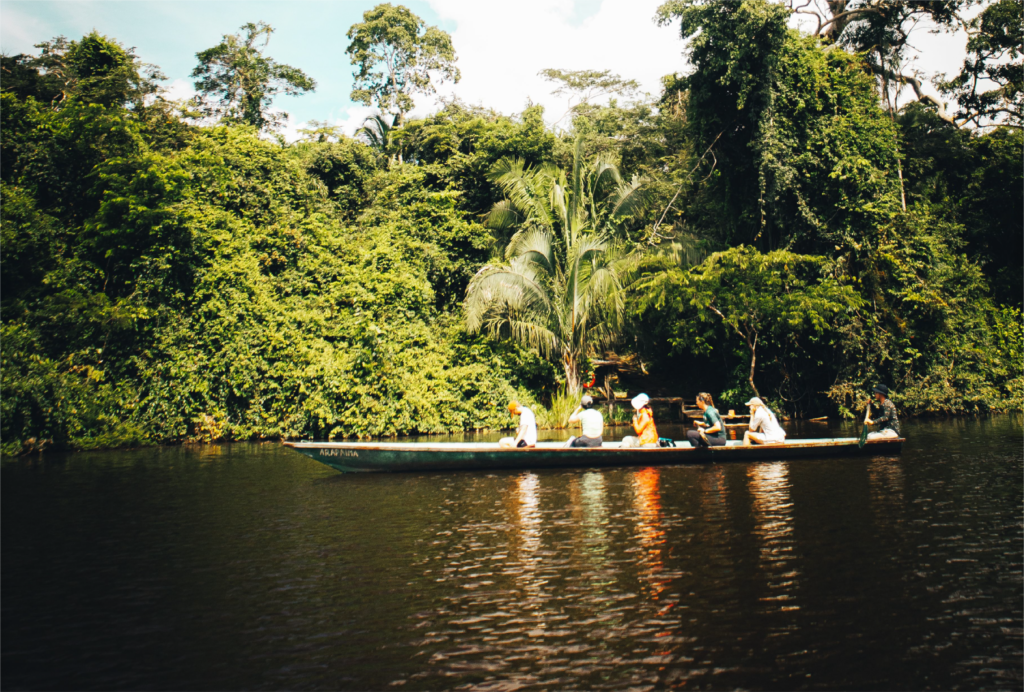
In July 2026, the Ecuadorian Amazon reached a crucial milestone for the future of its rivers and forests. Under the regional project led by the Amazon Cooperation Treaty Organization (ACTO, 2025), financed by the Global Environment Facility (GEF) and implemented by UNEP, the first strategic phase carried out by the consulting firm ECOPAGTA was completed: the comprehensive diagnostic for the design of the Water Fund for Ecuador’s Amazon Basin.
This financial mechanism seeks to help strengthen regional water security in the face of threats arising from climate variability and climate change, through a sustainable financing structure that brings together public, private, community, and cooperation actors.
The diagnostic combined scientific precision with participatory fieldwork in the territory, as well as information and ideas provided by relevant stakeholders, including non-governmental organizations, international cooperation agencies, and managers of existing water funds, among other key informants.
The consulting team built a robust baseline by analyzing regulatory and constitutional frameworks, reviewing specialized literature, and synthesizing primary information provided by the Ministry of Environment and Energy. At the same time, through territorial workshops and structured interviews, methodologies such as the Salience Model were applied to identify and analyze the roles, levels of influence, and expectations of key actors (ministries, Decentralized Autonomous Governments, universities, and Indigenous nationalities), integrating their different views on development, water management, and territorial rights.
A roadmap built with multiple actors
The findings reveal critical structural bottlenecks that hinder sustainable and integrated water resource management. Chief among them is the fragmentation of water governance, where overlapping responsibilities can weaken an integrated vision of hydrographic units and encourage patterns of overexploitation. In addition, there are information asymmetries and environmental externalities that call for appropriate mechanisms to promote shared responsibility among the various users and territories of the basins.
In response, the consultancy formulated public policy guidelines aimed at promoting operational synergies between existing water funds and new financing mechanisms. It also evaluated green financing alternatives grounded in national legislation, covering public budgets, fiscal instruments, fees and taxes, environmental incentives, and debt-for-nature swap mechanisms.
The process continues.
As part of the next stage of the consultancy, ECOPAGTA has held working meetings with strategic actors involved in the management and financing of water resources, and on an ongoing basis with the Undersecretariat of Water Resources, in order to review progress, gather technical input, and continue strengthening the proposed model and financing mechanism for the water basin.
This process of coordination allows the design of the future Water Fund to move forward from a multi-stakeholder perspective and in coordination with the competent institutions, aiming to ensure that its mechanisms respond to the needs and priorities of water management in the Ecuadorian Amazon.
With this roadmap, Ecuador is moving toward building a transparent, sustainable, multi-stakeholder institutional and financial structure that helps protect its strategic ecosystems and strengthen water security in the Amazon.